
How to Choose a Trench Box
Choosing the right trench box involves more than matching a shield to the height and width of an excavation.
Trench dimensions, pipe or structure size, working clearance, soil conditions, excavation depth, manufacturer tabulated data, utility congestion, lifting capacity, and jobsite logistics all affect which trench shield is appropriate for the work.
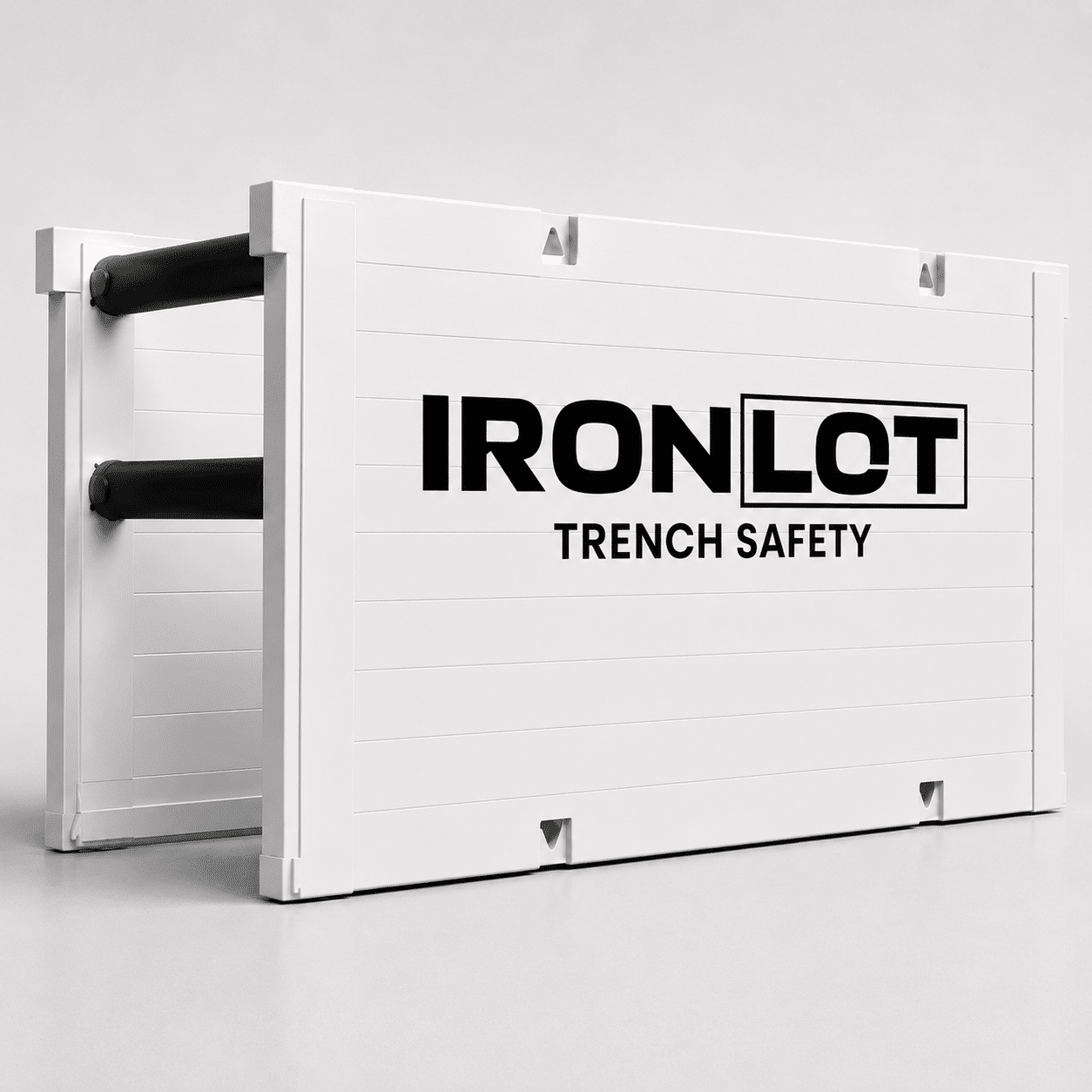
Start With the Complete Excavation
A trench box should not be selected from exterior height and length alone. The complete excavation and the work being performed inside the shield need to be considered.
The dimensions of the pipe, precast structure, fitting, valve, utility component, tools, and required working area can be just as important as the dimensions of the trench.
Select the shield around the actual work being performed, then verify the complete configuration against the manufacturer's current tabulated data and the Competent Person's jobsite evaluation.
Fit the Work Inside the Shield
Allow enough interior space for the pipe, structure, fittings, tools, personnel, bedding, connections, and other work that must occur inside the protected area.
Verify the Complete Configuration
Panel dimensions, spreader configuration, shield weight, excavation depth, soil conditions, and manufacturer tabulated data all affect suitability.
1. Determine the Required Trench Box Dimensions
Trench dimensions are an important starting point, but the selected shield also needs to provide the working space required for the project.
Interior Clearance
The spreader configuration needs to provide enough space for the pipe, structure, fittings, tools, personnel, and installation procedures.
Protected Work Area
Longer shields provide a larger protected work area but also increase weight, transportation requirements, and the space needed to position the box.
Physical Shielded Height
Panel height describes the physical height of the shield. It should not automatically be treated as the shield's allowable excavation depth.
Room to Position the Shield
Existing utilities, structures, streets, easements, equipment access, and excavation geometry can limit the practical size of the shield.
A longer trench box is not automatically better. Compact shields can be useful for localized utility work when they provide the required protected working area and are permitted by the applicable tabulated data.
2. Evaluate Soil and Excavation Conditions
Soil classification and changing ground conditions are important parts of protective-system selection. Water, previously disturbed material, surcharge loads, vibration, weather, nearby structures, and other conditions may also affect the excavation.
The Competent Person should evaluate the actual jobsite conditions and determine the requirements that apply to the excavation.
3. Verify the Manufacturer's Tabulated Data
Manufacturer tabulated data identifies the specifications, limitations, allowable configurations, and other requirements for the specific trench shield system.
Two trench boxes with similar exterior dimensions can have different allowable ratings or limitations because their engineering, panel construction, spreaders, materials, and other design details are different.
Physical shield height and allowable excavation depth are not the same thing. Verify the rating and permitted configuration of the specific shield in its current manufacturer tabulated data.
Trench Box Selection at a Glance
The infographic below provides a quick visual overview of the major factors involved in trench box selection. Use it as a planning reference, then verify the final selection for the actual excavation and shield.

4. Identify Utilities, Structures, and Obstructions
Underground utility congestion can strongly affect the size and configuration of the trench shield that can be used efficiently.
Existing water, sewer, gas, electrical, telecommunications, stormwater, and other infrastructure may restrict excavation width or make a longer shield difficult to position.
Localized utility work such as tie-ins, service connections, spot repairs, utility exposure, vault installation, bore pits, and receiving pits may benefit from a more compact shield when the actual dimensions of the work permit it.
5. Verify Equipment Lifting Capacity
Trench box weight affects handling, transportation, mobilization, and the equipment required to install, reposition, and remove the shield.
The lifting equipment needs to be evaluated for the actual assembled shield and the conditions under which it will be handled.
6. Compare Steel and Aluminum Trench Boxes
Steel and aluminum trench shields can both provide effective worker protection when properly selected and used within the limits of their manufacturer tabulated data.
The better choice depends on the specific shield design, project conditions, available equipment, transportation, handling requirements, and required configuration.
Durable Shielding for Demanding Work
Steel trench boxes are widely used for utility, sewer, water, roadway, municipal, infrastructure, and other excavation projects.
Their greater weight makes excavator capacity, transportation, mobilization, and handling an important part of selection.
Lighter Handling Options
Aluminum trench boxes can be useful where lower shield weight, smaller equipment, transportation, frequent movement, or modular configurations are important.
Allowable use still depends on the engineering and tabulated data for the specific shield.
Do not assume that a steel trench box automatically has a deeper allowable rating or that an aluminum shield is inherently limited to shallow excavation. The specific shield's engineering and tabulated data control its allowable use.
Read the Steel vs. Aluminum Trench Boxes Guide →
7. Determine Whether a Stacked Configuration Is Needed
Some trench shield systems permit boxes or extensions to be stacked to increase the physical shielded height of the protective system.
The complete stacked configuration needs to be permitted by the manufacturer, including the lower shield, upper shield or extension, spreaders, connection hardware, and other required components.
Stacking increases the physical shielded height. It does not mean the individual box heights can simply be added together to determine allowable excavation depth.
Read the Stacking Trench Boxes Guide →
Questions to Answer Before Choosing a Trench Box
Common Trench Box Selection Mistakes
- Choosing a trench box only from its exterior height or length.
- Failing to verify the manufacturer's current tabulated data.
- Selecting a shield that is too heavy for the available lifting equipment.
- Failing to account for pipe, structure, fitting, or utility-component dimensions.
- Using a spreader configuration that does not provide the required working clearance.
- Ignoring utility congestion, structures, surcharge loads, water, or changing ground conditions.
- Assuming material alone determines allowable excavation depth.
- Assuming stacked physical height automatically creates a deeper allowable excavation.
- Choosing solely by purchase price without considering transportation, equipment, handling, and project fit.
Match the Shield to the Excavation
The appropriate trench box depends on the complete project: excavation dimensions, pipe or structure size, working clearance, soil and water conditions, surcharge loads, utilities, equipment capability, manufacturer tabulated data, and the Competent Person's evaluation of jobsite conditions.
Need Help Selecting a Trench Box?
Contact us with your trench dimensions, project requirements, equipment information, and delivery location for current pricing, availability, and freight coordination.