
Guide to Vinyl Sheet Piling
Vinyl sheet piles are lightweight, corrosion-resistant PVC profiles used for bulkheads, seawalls, water-control structures, flood protection, containment systems, erosion control, and other permanent applications.
Their low weight, resistance to corrosion, consistent appearance, and ability to incorporate sealed interlocks can make vinyl sheet piling an alternative to traditional steel, timber, or concrete systems on suitable projects.
 Vinyl Sheet Piling
Corrosion-resistant PVC sheet piling for permanent
waterfront, environmental, and civil applications
Vinyl Sheet Piling
Corrosion-resistant PVC sheet piling for permanent
waterfront, environmental, and civil applications
What Is Vinyl Sheet Piling?
Vinyl sheet piles, also called PVC sheet piles, are interlocking structural profiles used to form continuous walls in soil and water-control applications.
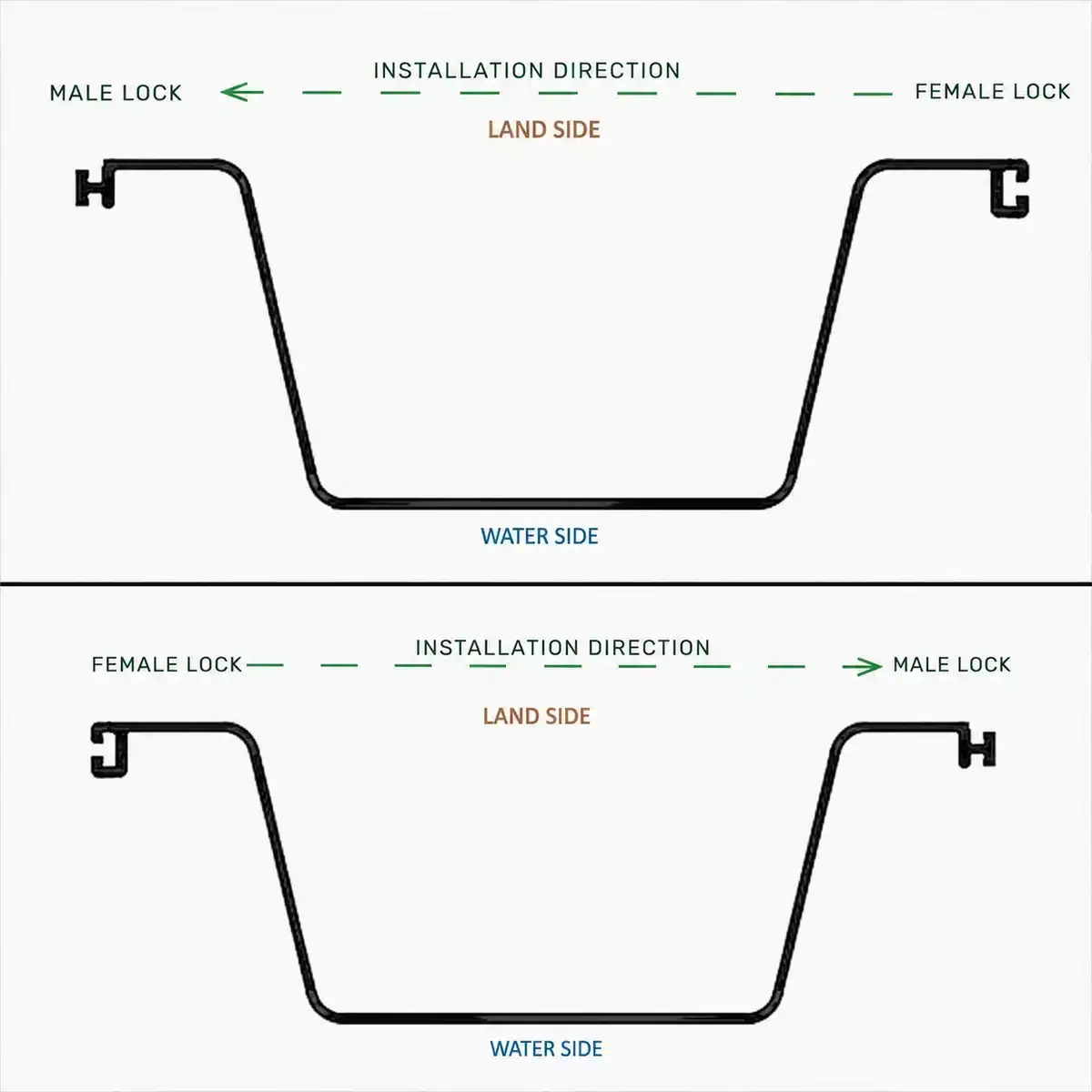
Individual sheets connect through interlocks along their edges. As the sheets are installed sequentially, they form a continuous barrier that can be used for retaining, erosion-control, water-control, cutoff, containment, and marine structures.
Unlike conventional steel sheet piling, PVC does not depend on a protective coating for its basic resistance to corrosion. That characteristic is one of the main reasons vinyl sheet piling is considered for permanent installations exposed to water and aggressive environments.
Vinyl sheet piling is not simply a lightweight replacement for every steel sheet-pile application. The selected profile and complete wall system must be appropriate for the project's loads, soil and environmental conditions, installation method, and required performance.
Advantages of Vinyl Sheet Piles
Vinyl sheet piling offers several characteristics that can make it useful for permanent waterfront, environmental, civil, and water-control projects.
PVC provides strong resistance to corrosion, making vinyl piling attractive for installations exposed to water and environments where corrosion can affect conventional materials.
Vinyl sheet-pile systems are available for long-term permanent applications, with some product systems designed around service lives of 50 years or more.
Vinyl profiles can weigh substantially less than steel sheet piling, helping simplify transportation, handling, positioning, and installation.
PVC sheet-pile materials can be engineered for resistance to ultraviolet exposure in permanent outdoor applications.
Vinyl does not rust like unprotected steel and does not weather in the same way as timber, helping provide a consistent finished appearance.
The PVC material itself provides corrosion resistance, eliminating the need to rely on protective coatings for that purpose.
Vinyl is unaffected by the marine organisms that can damage traditional timber piling in waterfront environments.
Lower weight and consistent manufactured dimensions can make vinyl sheets easier to handle and install on suitable projects.
Common Vinyl Sheet Pile Applications
Vinyl sheet piles can be used across several categories of permanent civil, environmental, waterfront, and water-control construction.
Cutoff and Containment Systems
PVC's corrosion and chemical resistance can make vinyl piling useful where a continuous underground barrier is required.
- Groundwater cutoff walls
- Chemical containment
- Fluid seepage barriers
- Foundation protection
Water-Control Structures
Interlocking vinyl profiles can be incorporated into structures intended to control or redirect the movement of water.
- Baffle walls
- River weirs
- Pond linings
- Channel linings
- River diversion structures
- Drainage systems
Flood Protection
Vinyl sheet piling can be incorporated into permanent structures intended to manage flood water or reduce seepage.
- Flood walls
- Flood levees
- Dam stabilization
- Piping protection
Marine and Waterfront Structures
Corrosion resistance and low profile weight make vinyl sheet piles an option for many waterfront and erosion-control structures.
- Bulkheads and seawalls
- Tide walls
- Breakwaters
- Wave breaks
- Jetty structures
- Groins
- Scour and erosion control
- Retaining walls
Vinyl Sheet Piles for Seawalls and Bulkheads
Waterfront construction is one of the most recognizable uses for vinyl sheet piling. A continuous interlocking wall can be incorporated into bulkheads, seawalls, retaining structures, and erosion-control systems.
PVC's resistance to corrosion is particularly useful where the wall will remain exposed to water for an extended period. Its resistance to marine borers also avoids one of the deterioration mechanisms associated with traditional timber piling.
The visible face can also maintain a more consistent appearance because the material does not rust or require paint as the basis of its corrosion protection.
Water-Tight Vinyl Sheet Pile Systems
Some vinyl sheet-pile profiles can be manufactured with soft PVC gaskets integrated directly into the interlocks. The gasket is co-extruded into the sheet pile rather than being manually added after the profile is manufactured.
Where Higher Water-Tightness Is Important
Integrated gasket systems can improve cutoff performance where reducing water migration through the interlocks is an important project requirement.
Applications can include environmental containment, contaminated-area isolation, seepage control, piping protection, groundwater cutoff walls, and flood control structures.
Not every vinyl sheet-pile wall requires the same level of water-tightness. The required interlock and sealing configuration should be selected for the actual containment, seepage, or water-control objective of the project.
How Are Vinyl Sheet Piles Installed?
Installation methods depend on the vinyl profile, sheet length, soil conditions, equipment, and project requirements.
The sheets are installed sequentially, with the interlock of each new sheet engaging the interlock of the previously installed sheet to form a continuous wall.
Position the Sheet
The vinyl profile is positioned for installation using the lifting and installation system selected for the project.
Engage the Interlock
The new sheet engages the interlock of the previously installed sheet before it is driven to its required position.
Drive or Press the Sheet
Depending on conditions, vinyl profiles may be installed using methods such as controlled pressing with an excavator or vibratory installation equipment.
Continue the Wall
The process is repeated sheet by sheet while maintaining alignment and interlock engagement through the completed wall.
When Is an Installation Mandrel Used?
A mandrel can be used to support a vinyl sheet during installation, particularly when vibratory equipment is being used.
The source material describes an installation method in which the vinyl sheet is inserted into a mandrel before driving. The mandrel provides support to the lighter PVC profile while installation force is applied.
The appropriate driving equipment and installation method depend on the pile length and project conditions.
Vinyl Sheet Piling Is More Than the Sheet
Depending on the structure, the completed installation can include additional components beyond the interlocking vinyl profiles.
Anchored walls, retaining structures, corners, and other project configurations should be designed around the complete system rather than the sheet-pile profile alone.
What Should Be Considered When Selecting Vinyl Sheet Piling?
Vinyl sheet piling should be evaluated for the actual application rather than selected only because PVC is lightweight or corrosion resistant.
How Long Can Vinyl Sheet Piling Last?
One of the principal reasons vinyl sheet piling is used for permanent construction is its resistance to corrosion.
Vinyl sheet-pile systems are available with design-life expectations of 50 years or more. Actual project performance depends on the selected profile, system design, installation, environmental conditions, and the requirements established for the project.
Because PVC does not depend on paint or another corrosion-protection coating, deterioration of a coating is not the mechanism that determines its long-term corrosion resistance.
Appearance and Color Options
Vinyl sheet piling can provide a consistent finished surface for exposed waterfront and retaining applications.
Multiple colors may be available depending on the specific product line and project quantity. Color availability, minimum-order requirements, and lead times should be confirmed when the appearance of the finished wall is part of the project specification.
Frequently Asked Questions
What are vinyl sheet piles made from?
Vinyl sheet piles are manufactured from rigid PVC and formed into interlocking profiles that can be installed together to create a continuous wall.
Do vinyl sheet piles rust?
No. PVC does not rust like carbon steel. Its corrosion resistance is one of the primary reasons vinyl sheet piling is considered for permanent marine and water-control applications.
Can vinyl sheet piling be used for seawalls?
Yes. Marine bulkheads, seawalls, tide walls, retaining walls, scour protection, and erosion control are among the applications for vinyl sheet-pile systems.
Can vinyl sheet piles be used for groundwater cutoff?
Yes. Vinyl sheet piles can be used for groundwater cutoff, seepage barriers, and containment applications. Some profiles can include integrated interlock gaskets where improved water-tightness is required.
How are vinyl sheet piles driven?
Installation depends on the selected profile, pile length, soil, and project conditions. Methods can include controlled pressing and vibratory installation, with a mandrel used in some installations to support the PVC profile.
Are vinyl sheet piles lighter than steel sheet piles?
Yes. Low profile weight is one of the major handling advantages of vinyl sheet piling and can reduce the equipment and labor demands associated with moving and positioning the sheets.
Do vinyl sheet piles require a protective coating?
PVC does not require a corrosion-protection coating to provide its basic resistance to rust and water-related corrosion.
Design the Complete Wall System
The benefits of vinyl sheet piling depend on using the right profile and wall configuration for the project. Soil and environmental conditions, installation requirements, sheet length, water-tightness, anchors, tie rods, walers, connectors, and the intended function of the structure should all be considered as part of the complete system.
Planning a Vinyl Sheet Pile Project?
Vinyl sheet piling can provide a lightweight, corrosion-resistant solution for bulkheads, seawalls, water-control structures, containment systems, flood protection, retaining walls, and erosion-control projects.
Contact Iron Lot with your application, project location, required quantity, sheet lengths, and project schedule for current pricing and availability.